
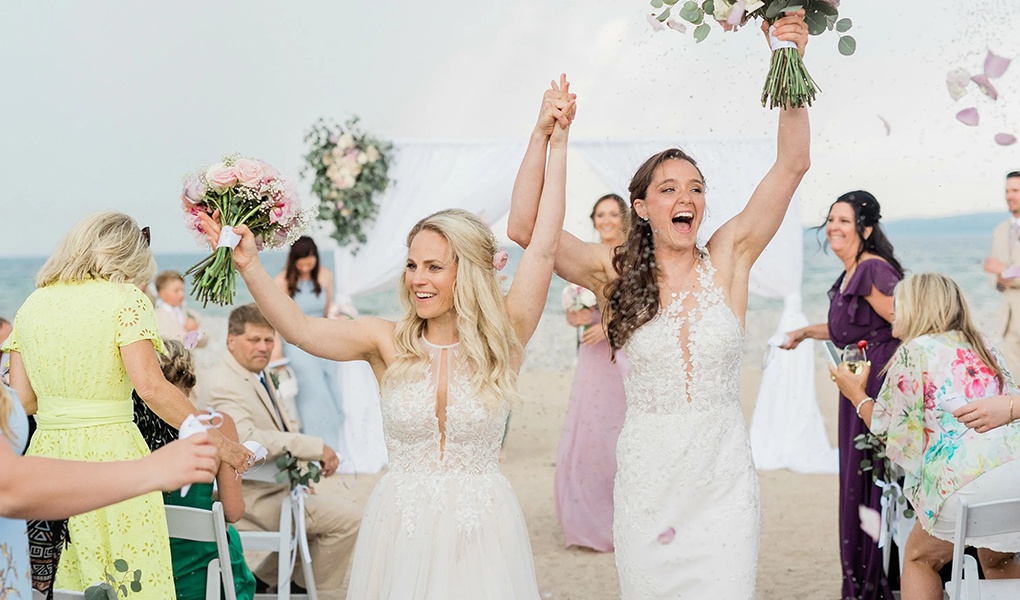
When choosing a wedding gown, color is one of the first details the eye notices, yet bridal whites are more complex than they appear. A gown that looks white on a hanger can appear warmer, cooler, brighter, or softer depending on the fabric, lighting, and overall design.
Traditional bridal colors are no longer limited to a single shade of white. Modern collections include a range of tones, from crisp pure white to warm ivory, soft champagne, and subtle blush. Each shade creates a different visual effect and interacts differently with lace, satin, tulle, and other bridal fabrics.
Understanding the undertone and personality of each color can help brides choose a gown that photographs beautifully and complements the overall wedding aesthetic.
Pure White: The Crisp, Modern Classic
Pure white is the brightest and cleanest bridal white, with a cooler undertone and a sharp, polished appearance. It creates a fresh, contemporary look and works especially well with modern silhouettes, minimalist designs, and gowns featuring strong structural details.
Because pure white has little warmth compared with other bridal shades, fabric plays an important role in the final effect. Satin and structured fabrics enhance its crisp quality, while lace and textured details can soften the overall appearance.
One practical consideration is photography. Pure white can sometimes wash out under high-intensity camera flashes, causing the gown to lose subtle texture and dimension. Under warm indoor lighting, it may also create a stronger contrast against the skin or appear slightly cooler in tone. Comparing the gown under natural daylight, venue lighting, and camera flash before finalizing the dress can help ensure the color looks consistent throughout the wedding day.
Ivory: The Timeless Bridal Favorite
Ivory is one of the most widely chosen wedding gown colors because of its softer, warmer appearance. Compared with pure white, ivory contains subtle cream undertones that create a more natural and gentle effect.
The warmth of ivory allows fabric details to become more visible. Lace patterns, embroidery, and layered textures often appear richer because the slightly warmer background creates more contrast.
Ivory is especially versatile across different gown styles. It works beautifully with romantic lace wedding gowns20, classic ball gowns, and modern minimalist designs because it maintains a traditional bridal feeling while appearing softer in photographs.
When choosing ivory, it is important to compare different shades in person. Some ivory tones are very close to white, while others have a noticeably warmer cream appearance.
Champagne: A Warm and Sophisticated Neutral
Champagne wedding gowns introduce a subtle golden or beige undertone, creating a warmer alternative to traditional white. This shade is often chosen by brides who want a softer, more fashion-forward bridal look.
The success of a champagne gown depends greatly on the fabric finish. Matte fabrics such as crepe or textured lace create a refined appearance, while highly reflective satin in very pale champagne shades can appear brighter under flash photography and may read closer to ivory.
Champagne works particularly well with vintage-inspired details, soft draping, and gowns featuring delicate embellishment. It also pairs beautifully with warm-toned accessories such as gold jewelry.
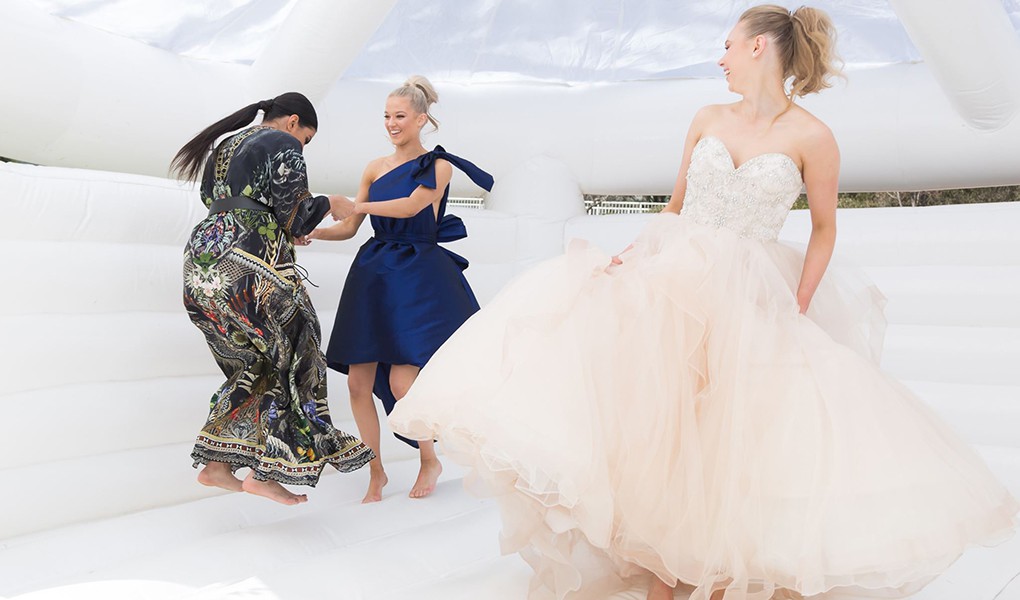
Blush: A Soft Statement Color
Blush wedding gowns feature subtle pink undertones that add warmth and individuality while maintaining a bridal appearance.
The shade can range from barely noticeable nude-pink tones to more visible romantic hues. Because blush already introduces color, the amount of lace, beading, and fabric texture can significantly affect the final impression.
Soft tulle and layered fabrics often create a dreamy effect, while structured satin creates a more modern interpretation of blush.
For brides considering a colored gown for the first time, blush offers a gentle transition away from traditional white without becoming overly dramatic.
Nude and Sand Tones: Modern Neutral Bridal Shades
Nude and sand-colored gowns have become increasingly popular in contemporary bridal design. These tones are often used as a base layer beneath lace, creating depth and allowing appliqué details to stand out.
The effect of nude tones depends heavily on the relationship between the fabric color and the wearer’s complexion. During fittings, it is important to view the gown in natural lighting because nude shades can change significantly under different conditions.
These colors are commonly seen in modern lace gowns, illusion designs, and fashion-forward bridal collections.
Metallic Tones: Silver and Gold Accents
Metallic bridal shades, including silver and soft gold, offer a more editorial approach to wedding gown color.
Silver creates a cooler, more modern appearance and pairs well with crystal embellishments and icy-toned details. Gold tones add warmth and often complement vintage-inspired designs.
Because metallic fabrics reflect light, photography should be considered carefully. Highly reflective surfaces can appear different under flash compared with natural lighting, making it important to view the gown in multiple environments.
Choosing the Right Wedding Gown Color
The best wedding gown color depends on more than whether a shade is considered traditional or modern. Consider three factors when making the final decision:
Fabric:
The same color can look completely different in satin, lace, tulle, or crepe. Texture changes how light interacts with the gown.
Lighting:
A gown should be viewed under natural daylight, indoor venue lighting, and photography conditions. Colors that look perfect in a fitting room may change in wedding photographs.
Overall Design:
The gown’s silhouette, embellishment, and accessories all influence how the color is perceived. A simple satin gown and a heavily detailed lace gown in the same shade can create very different impressions.
A wedding gown color sets the foundation for the entire bridal look. By understanding undertones, fabric interaction, and photography considerations, brides can choose a shade that feels personal while remaining timeless in every photograph.