
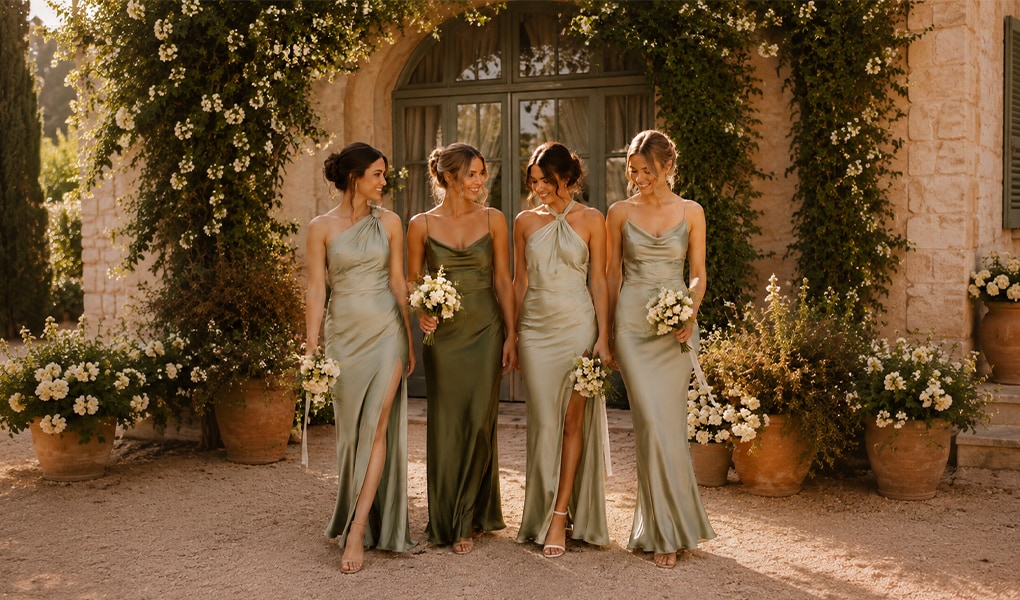
One of the first practical questions that comes up after someone says yes to being your bridesmaid is also one of the most awkward to discuss: Who is actually paying for the bridesmaid dresses?
In the United States, the traditional answer is straightforward: bridesmaids typically pay for their own dresses. But modern weddings have made the conversation more nuanced. With rising wedding costs and more personalized celebrations, many couples are reconsidering how much financial responsibility they place on their wedding party.
So, who should cover the bill? The short answer: traditionally, the bridesmaids pay—but there are several situations where the bride and groom may choose to contribute or cover the cost entirely.
The most important etiquette rule today is not who pays. It is making sure everyone understands the expense before committing.
Traditionally, bridesmaids pay for their own dresses
For generations, American wedding etiquette has generally expected bridesmaids to purchase their own attire.
This typically includes:
- The bridesmaid dress
- Alterations and tailoring
- Shoes
- Jewelry or accessories chosen as part of the look
The reasoning behind this tradition is that being a bridesmaid is a personal honor and a voluntary role. Purchasing a dress is considered part of participating in the wedding celebration.
This remains the most common arrangement in the U.S., especially when the bride selects a reasonably priced dress and gives the bridal party enough time and flexibility.
When should the bride consider paying for bridesmaid dresses?
While bridesmaids traditionally cover their own dresses, modern etiquette recognizes that some situations may make it more appropriate for the couple to contribute.
When the dress is unusually expensive
A bridesmaid may expect to purchase a dress in the $100–$250 range, but expectations change when the cost rises significantly.
If the bride chooses:
- A designer gown
- A custom-made dress
- A luxury fabric or specialty style
- A dress costing several hundred dollars or more
It is thoughtful for the couple to consider paying for all or part of the expense.
The key question is whether the dress feels like a normal bridesmaid purchase or a major wedding production expense.
When the bride controls every detail of the outfit
There is a difference between asking bridesmaids to choose a dress within a general vision and requiring everyone to purchase one exact look.
For example:
A bride who says: “Please choose any floor-length dress in this color family that you love.” is giving flexibility.
A bride who says: “Everyone must wear this specific designer dress in this exact fabric and style.” is creating a much more specific expense.
When the wedding aesthetic requires a very particular garment, some couples choose to help cover the cost.
How much do bridesmaid dresses usually cost?
The price of bridesmaid dresses varies widely depending on the designer, retailer, fabric, and level of customization.
A realistic budget should include more than just the dress price.
Additional costs may include:
- Alterations
- Shipping fees
- Shoes
- Accessories
- Hair and makeup
- Travel expenses
A $250 dress can easily become a $400–$500 commitment after everything is included.
This is why many etiquette experts recommend discussing the expected budget early—before bridesmaids begin shopping.
What if a bridesmaid cannot afford the dress?
This is one of the most sensitive situations in wedding planning.
A bridesmaid may be excited to participate but uncomfortable admitting that the cost does not fit her budget.
The best approach is a private and respectful conversation.
A bride might say: “I would love for you to be part of my wedding party. The dress will likely cost around $150, but please tell me privately if that creates any concerns. We can figure something out.”
Possible solutions include:
- Choosing a more affordable dress option
- Allowing bridesmaids to select their own gowns
- The couple covering part of the cost
- Reducing other wedding party expenses
If financial concerns cannot be resolved, a bridesmaid can still be involved in another meaningful role, such as giving a reading during the ceremony or helping with guest activities.
Being unable to purchase a dress should not automatically mean losing a place in the celebration.
What about bridesmaid dress alterations?
Alterations are often overlooked when discussing costs.
Traditionally, bridesmaids are responsible for their own tailoring because the dress belongs to them and needs to be fitted to their body.
However, if the bride selects a highly structured gown that requires extensive modifications, some couples choose to help with alteration costs.
The important thing is to discuss expectations upfront.
Destination weddings require extra consideration
Destination weddings can significantly increase the financial commitment for bridesmaids.
Beyond the dress, they may already be paying for:
- Flights
- Hotels
- Transportation
- Time away from work
Because of this, some couples choose to reduce the financial burden by:
- Paying for dresses;
- Choosing lower-cost attire;
- Allowing more flexibility with styles;
- Covering certain wedding-related expenses.
A bridesmaid’s total commitment matters more than the price tag of the dress alone.
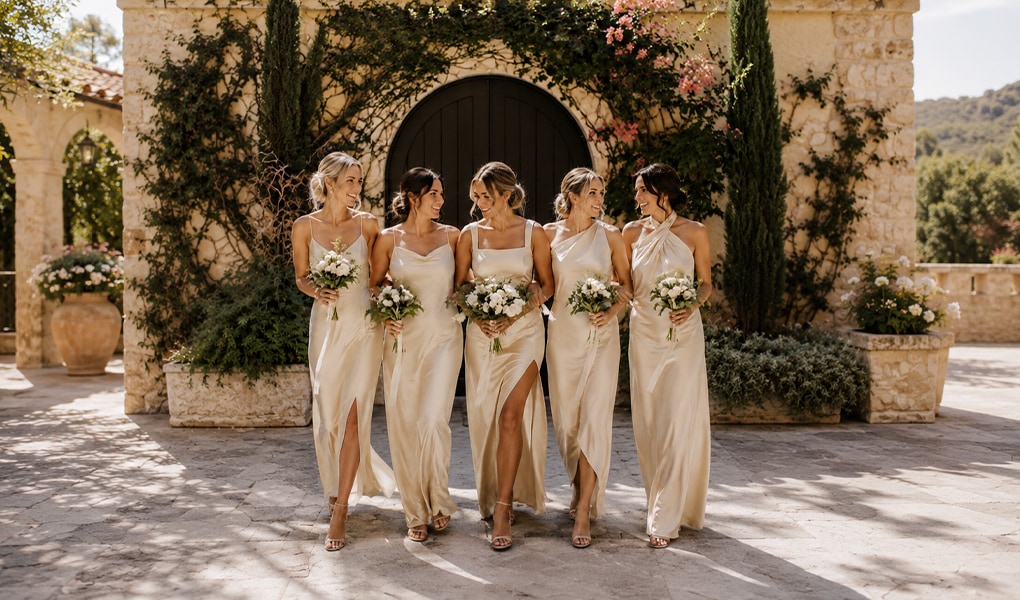
Mix-and-match bridesmaid dresses are becoming a popular solution
Many modern couples are moving away from identical bridesmaid gowns.
Instead, brides may choose:
- A specific color palette;
- A fabric preference;
- A general style direction;
while allowing each bridesmaid to select a dress that fits her budget, body type, and personal style.
This approach often creates a more comfortable experience for everyone involved.
It also allows bridesmaids to choose something they may actually wear again.
The modern etiquette rule: communicate before asking anyone to spend
In 2026, the conversation around bridesmaid dresses is becoming less about strict rules and more about consideration.
The traditional expectation remains that bridesmaids usually pay for their own dresses. But modern etiquette also recognizes that if the couple’s vision creates an unusually expensive or restrictive requirement, the couple should consider sharing that cost.
The best wedding parties are built on excitement, not financial pressure. A beautiful bridal party look matters—but so does making sure the people standing beside you feel valued and comfortable throughout the process.