
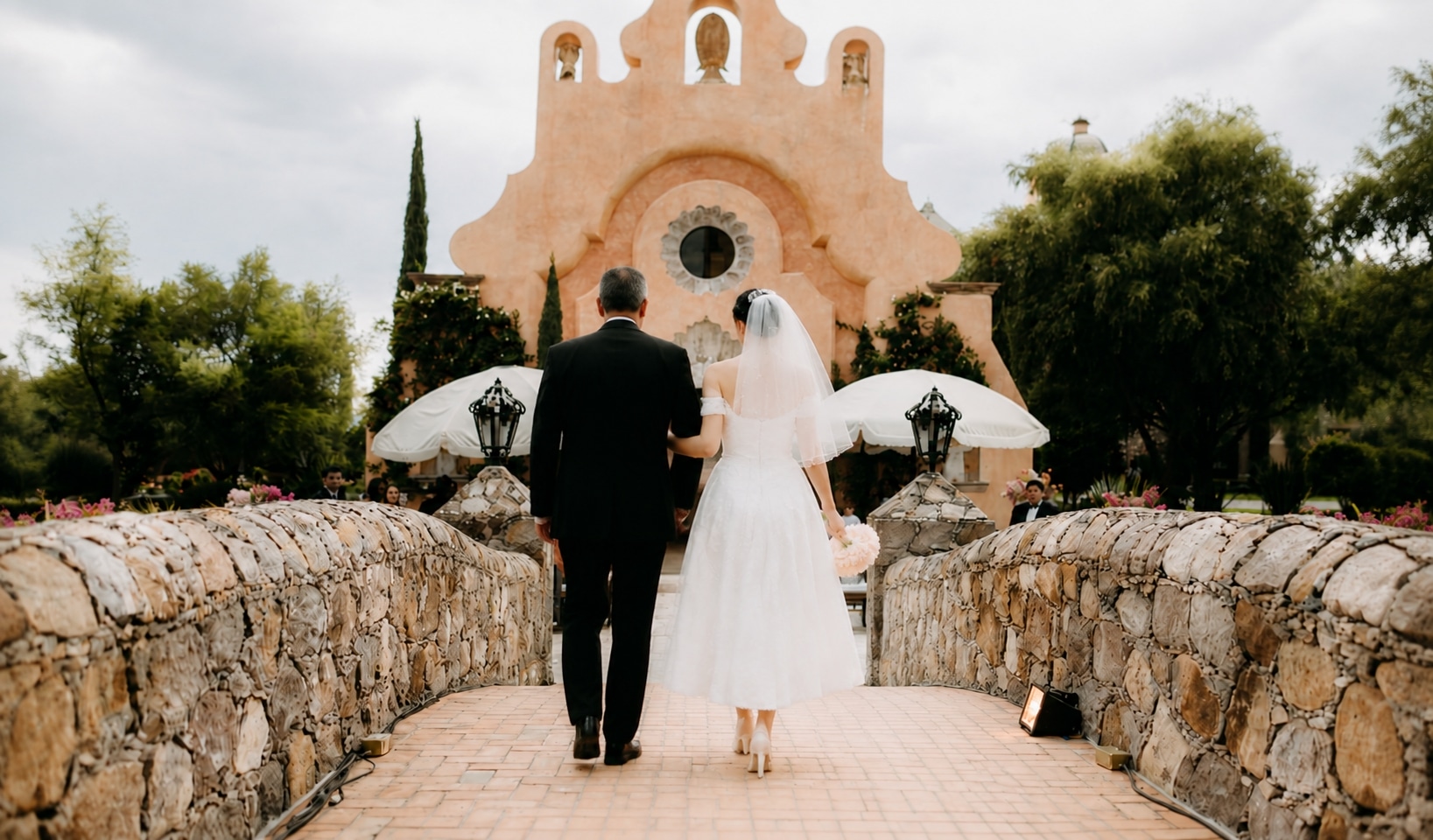
Shopping for a wedding dress is exciting, but it’s easy to focus on the price tag and forget what comes after it. Alterations, a veil, shoes, undergarments, and other finishing touches can quickly turn an affordable dress into a much bigger expense.
A better approach is to set a budget for your entire bridal look before you start shopping. That way, you know what you can comfortably spend on the dress itself—and where you have room to save.
How Much Should You Budget for Bridal Attire?
If you’re working with a fixed wedding budget, setting aside roughly 5%–8% for bridal attire and related expenses can be a useful starting point. The right number, however, depends on what matters most to you.
For some brides, the dress is one of the biggest priorities. Others would rather spend more on photography, the venue, or the honeymoon and keep their bridal look simple.
Instead of starting with the question, “How much should a wedding dress cost?”, decide how much you’re comfortable spending on your complete look. Then work backward to find a dress price that leaves enough room for everything else.
Don’t Forget the Hidden Costs
The dress itself is only part of your bridal attire budget. Before falling in love with a gown at the top of your price range, remember to account for expenses such as:
- Alterations: Hemming, adjusting the bodice, changing straps, or adding a bustle can increase the final cost.
- Veil and accessories: Veils, jewelry, belts, hairpieces, and other details can add up quickly.
- Shoes and undergarments: These may seem like small purchases, but they still need a place in your budget.
- Cleaning or preservation: If you plan to professionally clean or preserve your gown after the wedding, consider that cost in advance.
Fit can also affect how much you spend after buying the dress. A wedding gown that fits well from the beginning may require fewer adjustments. If you’re shopping online, look for detailed size charts and, where available, custom sizing options. Custom sizing does not guarantee that alterations won’t be necessary, but it may help reduce the amount of adjustment needed.

Build a Budget for Your Total Bridal Look
Suppose you have $1,500 to spend on your complete bridal look. Spending the full $1,500 on the gown leaves no flexibility for alterations or accessories.
Instead, you might plan something like this:
- Wedding dress: $900–$1,050
- Alterations: $200–$300
- Veil and accessories: $100–$150
- Shoes and undergarments: $100–$150
The exact numbers will vary, but the principle is simple: set your total limit first, then shop for the dress.
It also helps to keep a small buffer. If your alterations cost less than expected, you can always use the extra money for accessories—or put it toward another part of the wedding. It’s much easier than trying to find extra money after buying a dress that already used up your entire attire budget.
Save on the Dress Without Sacrificing the Look
Saving money on a wedding dress doesn’t have to mean choosing something that feels cheap. The biggest opportunity is often in how and where you shop.
Start by looking at sale collections and gowns with simpler construction or embellishment. Beading, intricate lacework, and highly structured designs can increase the price, while a clean silhouette in the right fabric can still create an elegant bridal look.
You can also explore online and direct-to-consumer wedding dress retailers. Without the same retail structure as a traditional bridal boutique, these sellers may offer gowns at more accessible prices. For example, InWeddingDress offers affordable wedding dresses online, including sale styles and custom-size options, giving budget-conscious brides another way to shop within a defined price range.
Price shouldn’t be the only consideration, though. Before ordering online, check the size chart, fabric and product details, production timeline, shipping costs, and return policy. A lower-priced gown is only a good deal if it works for your wedding timeline and doesn’t create unexpected expenses later.
Ultimately, a smart wedding dress budget isn’t about finding the cheapest gown. It’s about knowing the true cost of your bridal look before you buy. Leave room for alterations and accessories, shop with a clear spending limit, and you’ll have a much better chance of finding a dress you love without stretching the rest of your wedding budget.