
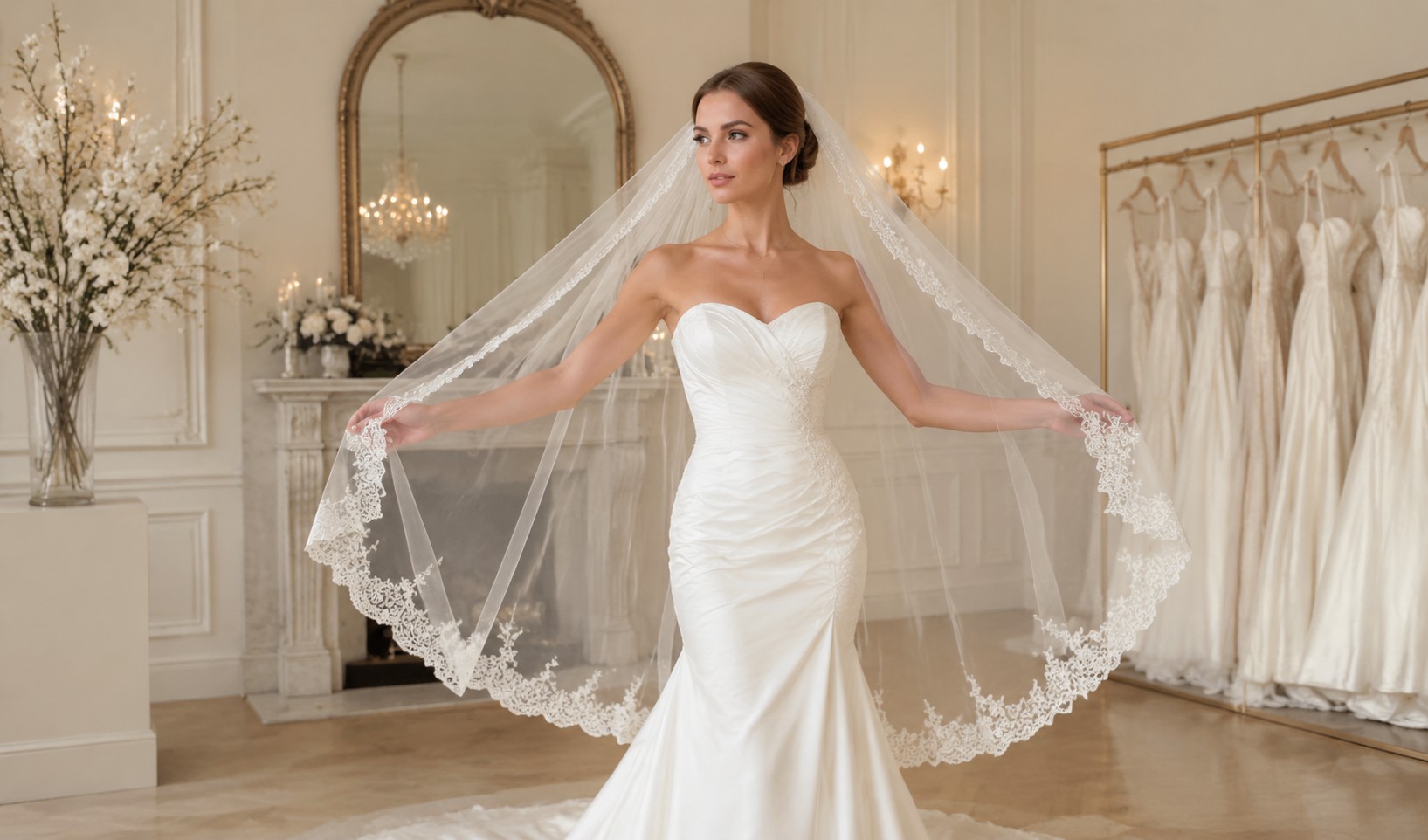
One of the biggest concerns about ordering a wedding dress or formal dress online is sizing. After all, you want your dress to fit beautifully when it arrives—not discover that it feels much tighter or smaller than expected.
A question we often hear from brides-to-be is: “Are InWeddingDress dresses true to size?”
The answer is yes. InWeddingDress wedding dresses and bridal party dresses are true to the measurements listed on our size chart. However, there is one important thing to understand: bridal and formalwear sizing is not necessarily the same as the size you wear in everyday clothing.
Why Your Wedding Dress Size May Be Different from Your Everyday Size
Suppose you normally wear a size 6 in everyday clothing, but after checking our size chart, your measurements indicate that you need a different size in a wedding dress. Does that mean our dresses run small?
Not at all.
There is no universal sizing standard across the clothing industry. A size 6 from one brand can fit differently from a size 6 from another. This is especially true when comparing everyday fashion with bridal and formalwear.
Even among wedding dress manufacturers, size charts can vary slightly. The measurements assigned to the same numerical size may differ by around 0.5 to 1 inch from one manufacturer to another. This is completely normal in the bridal and formalwear industry and does not necessarily mean one brand runs larger or smaller than another.
That is why the number on the size tag should never be the main factor when choosing your wedding dress. Your actual body measurements are much more important.
What Does “True to Size” Mean at InWeddingDress?
When we say an InWeddingDress gown is true to size, we mean that the dress is made according to the measurements shown on our size chart.
Let’s use the bust measurement as an example.
Suppose the bust measurement listed for a size 4 is 34 inches. This means that the bust of the dress is designed according to a 34-inch measurement.
However, that does not necessarily mean someone with an exact 34-inch bust will find the dress comfortably fitted.
If your bust measures around 33 to 33.5 inches, a size 4 may give you a comfortable, close fit. If your bust measures exactly 34 inches, the dress may feel very snug because there is little to no extra room. And if you plan to wear a padded or slightly thicker bra underneath, you may find the bodice even tighter.
This does not mean the dress runs small. It simply means that your body measurement is very close to the garment measurement, leaving little room for movement, undergarments, or personal comfort preferences.
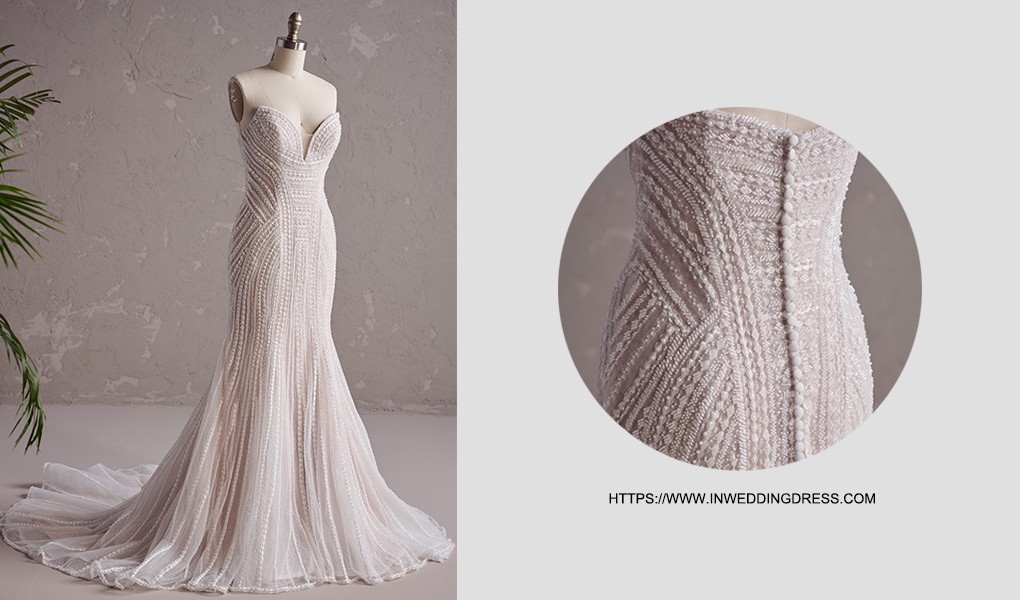
Why Wedding Dress Measurements Need to Be More Precise
Fit matters with all clothing, but accurate measurements are particularly important when shopping for wedding dresses and formal gowns.
Many everyday clothes are made with stretchy fabrics or are designed with a more relaxed fit. A difference of half an inch may barely be noticeable in a knit top or casual dress.
Wedding dresses are different. Most bridal and formal fabrics have little or no stretch. Depending on the style, a gown may also include boning, lining, built-in cups, corset construction, structured seams, or multiple layers of fabric. These features help create the shape and support you expect from a formal gown, but they also make the fit less forgiving.
Even a difference of half an inch can affect how a structured bodice feels, especially around the bust, waist, and rib cage.
This is why accurate measurements are much more important than the size number itself.
Don’t Order Your Wedding Dress Based on Your Regular Clothing Size
If you usually wear a size 6, please don’t automatically order a size 6 wedding dress.
Instead, take fresh measurements before placing your order. The three most important measurements are:
- Bust
- Waist
- Hips
Compare these measurements directly with the InWeddingDress size chart for the dress you are ordering.
When measuring, wear the type of undergarments you expect to wear with your gown whenever possible. Keep the measuring tape close to your body without pulling it too tightly or leaving extra slack.
If your measurements fall between two sizes, or your bust, waist, and hips correspond to different sizes, it is usually safer to choose the size that accommodates your largest measurement. A professional seamstress can often take in areas that are slightly loose, while letting out a dress can be much more limited depending on the construction and available seam allowance.
The right size is not necessarily the number you wear every day. It is the size that best matches your body measurements.